A TV Series, a Dear Friend and a Small-Town Editor from Minnesota
My first inspiration for Dan Kelly was the British TV series Foyle’s War, created by Anthony Horowitz and broadcast from 2002 to 2015. Set in the coastal town of Hastings, it followed Britain through the Second World War and its aftermath. Michael Kitchen anchored the series with his beautifully restrained performance as Detective Chief Superintendent Christopher Foyle.
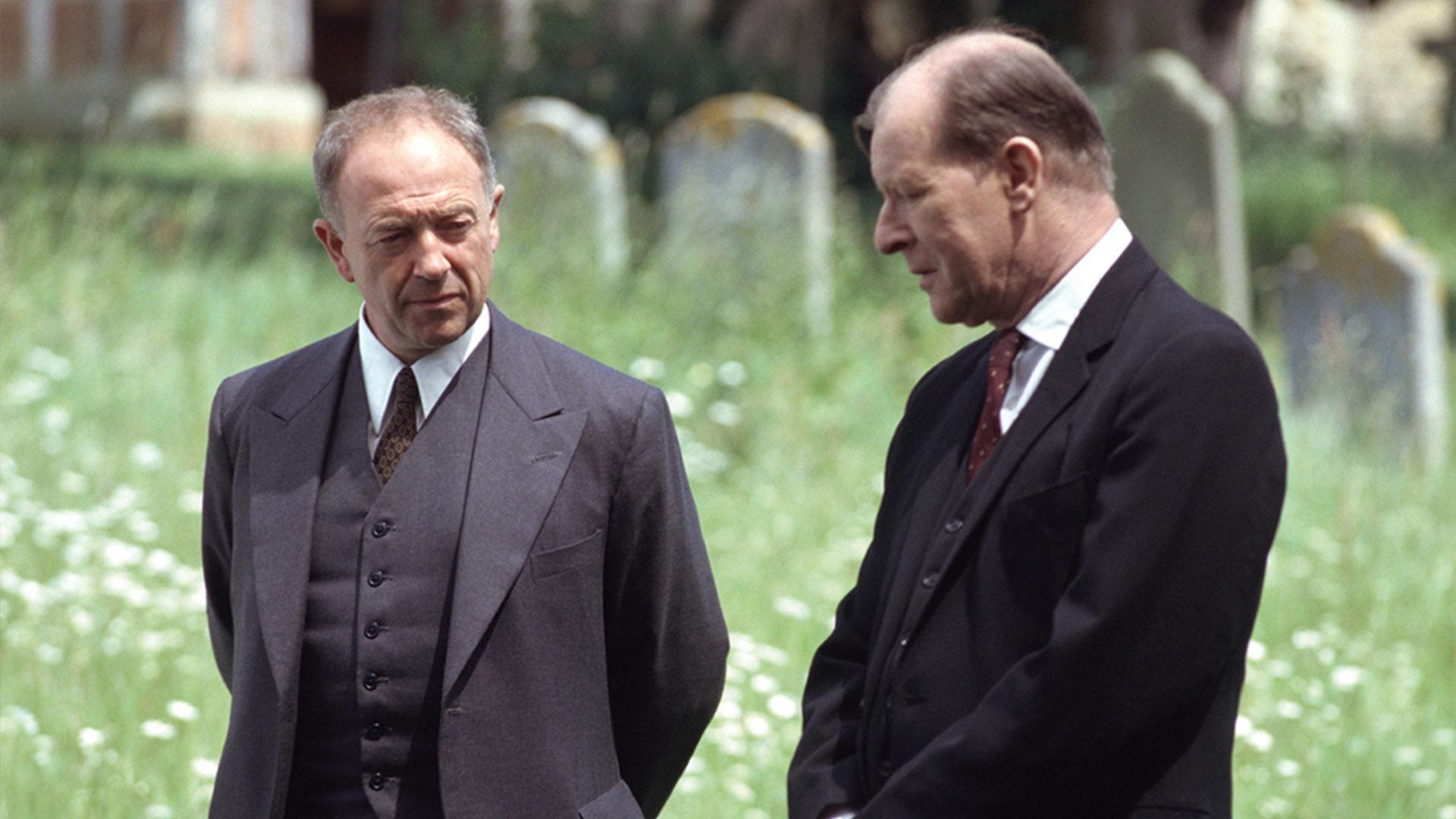
The stories moved through the war chronologically, and each 90-minute mystery drew on the history around it: the black market, the treatment of Black American servicemen at bases in England, and German prisoners of war held in British camps. History was never merely scenery. It shaped the crimes, the motives and the characters’ lives.
There is no better TV historical mystery than Foyle’s War.
Foyle’s War gave me the model, but I wanted to move the idea into a distinctly American setting. I chose the Korean War as the historical backdrop and California in 1950 as the setting—a place of postwar prosperity and abundance, far removed from England’s nervous and long-suffering wartime coast.
The fictional town of Redstone takes its name from the red cliffs that rise above the Pacific immediately west of town.
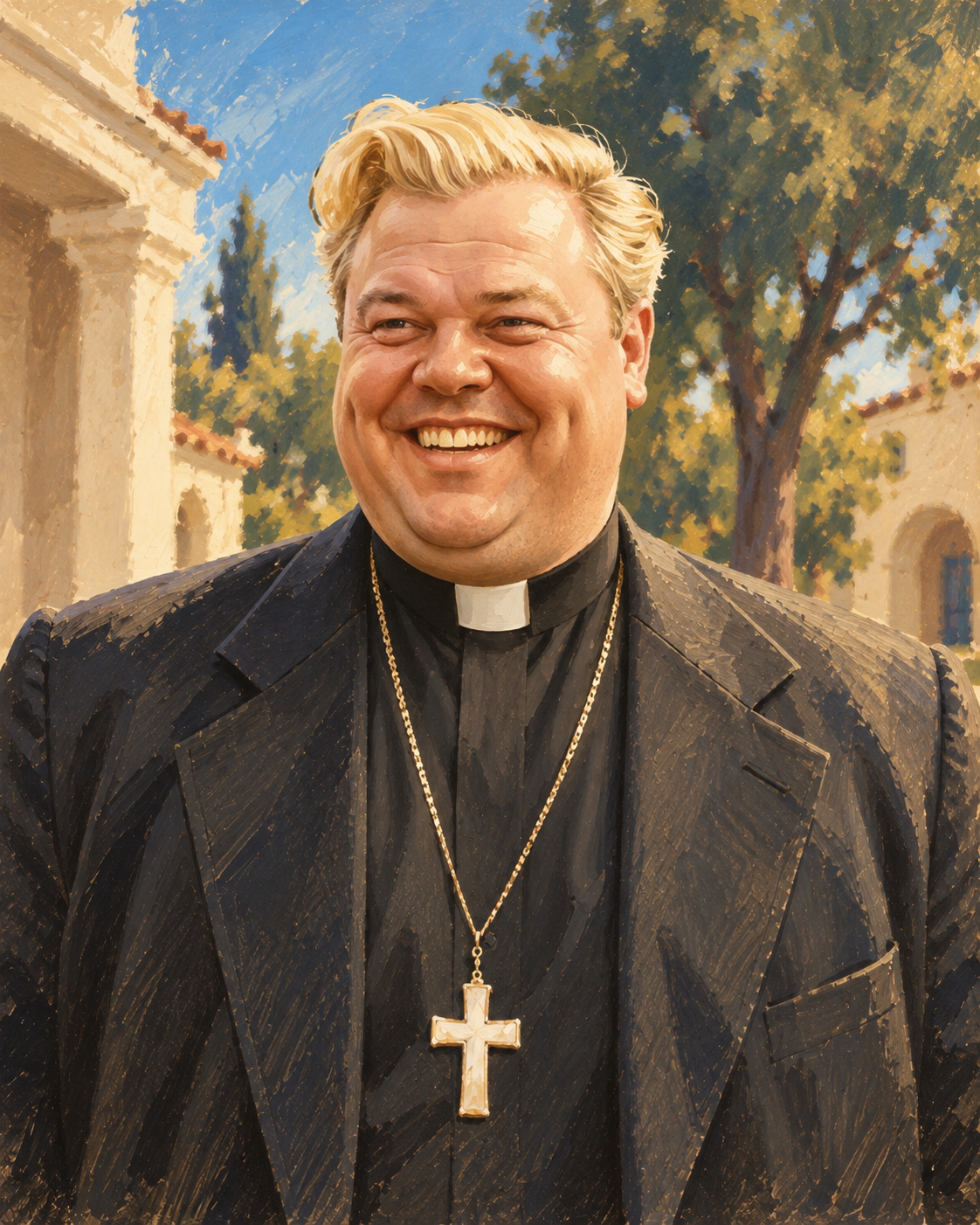
If Foyle’s War provided the structure for the series, my late friend Ted Jawniak gave it a personal and emotional connection to the Second World War. Father Ted Gorski is based on Ted’s personality and appearance—although the real Ted never had anything to do with the priesthood. Father Ted is the only character in the series based on an actual person.
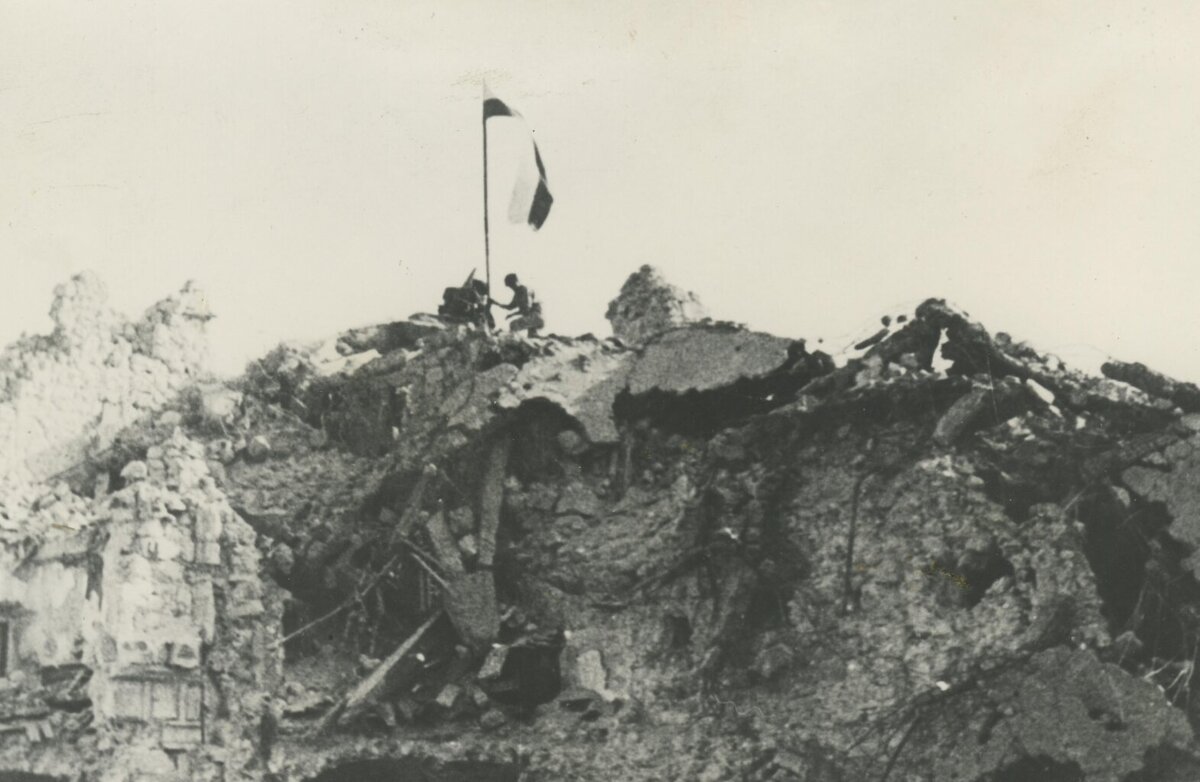
My friend Ted’s father served as an officer with the Free Poles. In May 1944, the Polish II Corps finally took the ruined monastery at Monte Cassino. A Polish patrol entered the ruins and raised its flag on May 18. The victory opened the road to Rome, which the Allies liberated on June 4.
After the war, Ted’s father and his fellow officers immigrated to the northern Canadian mining town of Flin Flon, Manitoba. They became neighbors on a street everyone called “Polish Street.”
I considered myself knowledgeable about the Second World War, yet I knew almost nothing about Monte Cassino. Among many things I got from Ted was an education about the role of the Free Poles in the Italian campaign. The battle at Monte Cassino was one of the war’s most brutal, with terrible casualties on both sides. Readers will discover that Monte Cassino becomes a seminal event in the lives of several characters.
The third influence helped me understand how Redstone itself could tell its story. In the documentary series The War, Ken Burns and Lynn Novick examined the war years through the experiences of four American towns. One was Luverne, Minnesota.
Al McIntosh, editor of Luverne’s local newspaper, chronicled the war and its effect on his community in a column. He inspired George Ramirez, editor of the Redstone Record, whose column, Redstone Ramblings, records the life of his town.
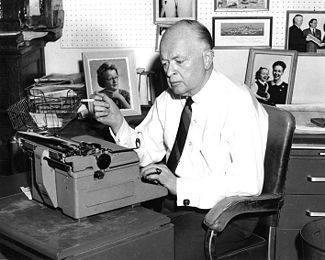
Al McIntosh’s wartime columns were later collected in Selected Chaff: The Wartime Columns of Al McIntosh, 1941–1945.
I offer this example of what made McIntosh’s writing so memorable. A telegram is coming for the Lester family, and everyone knows what it means.
Tom Hanks reads one of Al McIntosh’s columns
McIntosh showed me how world events enter the life of a small town—not simply as headlines and dates, but as telegrams, empty chairs and the private fears of neighbors. That is the role George Ramirez and the Redstone Record play in the series: they connect events far beyond Redstone to the people living through them.
Together, these three influences gave me the foundations of the Dan Kelly Mysteries. Foyle’s War suggested crime stories unfolding against a changing historical background. Ted gave the series its connection to the war and its lasting wounds. McIntosh showed me how a small town could become a window onto much larger events.
With the world and its characters taking shape, I turned to the first story. The Killer of Rome began as a screenplay. Years later, I expanded it into a novel, making the story richer and broader than the original script.
The story continues two months later in the second book, The Kid from the Track, which begins in November 1950. The Korean War has been under way for nearly six months, and Harry S. Truman is president. The war has not yet reached deeply into Redstone—but it will.
Tim Whelan, November 2026.